You're sitting on the back of a camel, and the Sahara is completely silent. Not quiet — silent. No wind. No birds. No distant hum of traffic pulling at the edge of your attention. Just the soft creak of leather, the slow rhythm of the animal beneath you, and five hundred feet of amber dune rising against a sky that's about to do something you won't forget for the rest of your life.
The sun is ten minutes from cresting Erg Chebbi. The sand glows copper, then gold, then a shade of orange that doesn't have a name yet. Your shadow stretches thirty feet behind you. You didn't know you could feel this small and this alive at the same time.
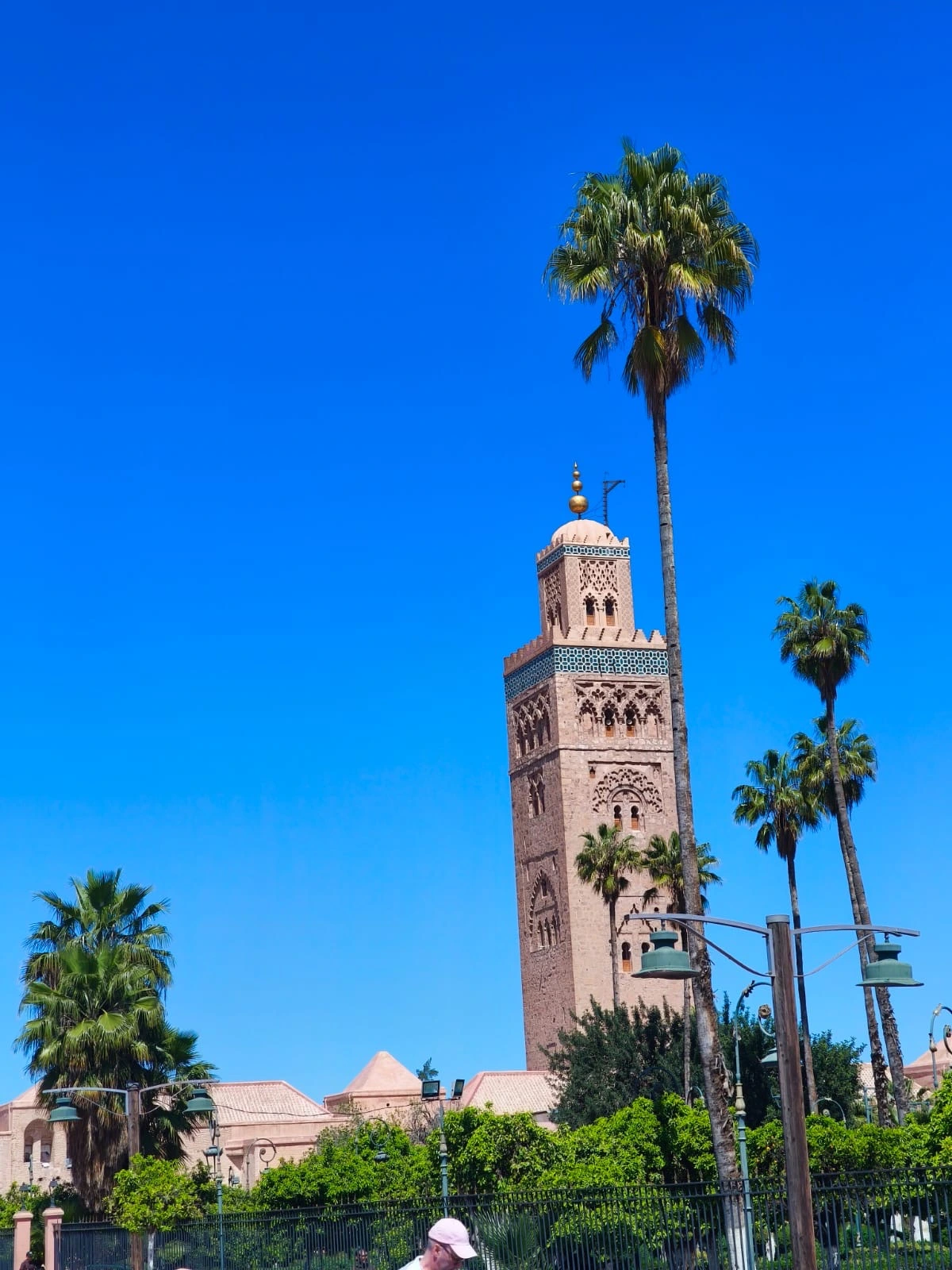
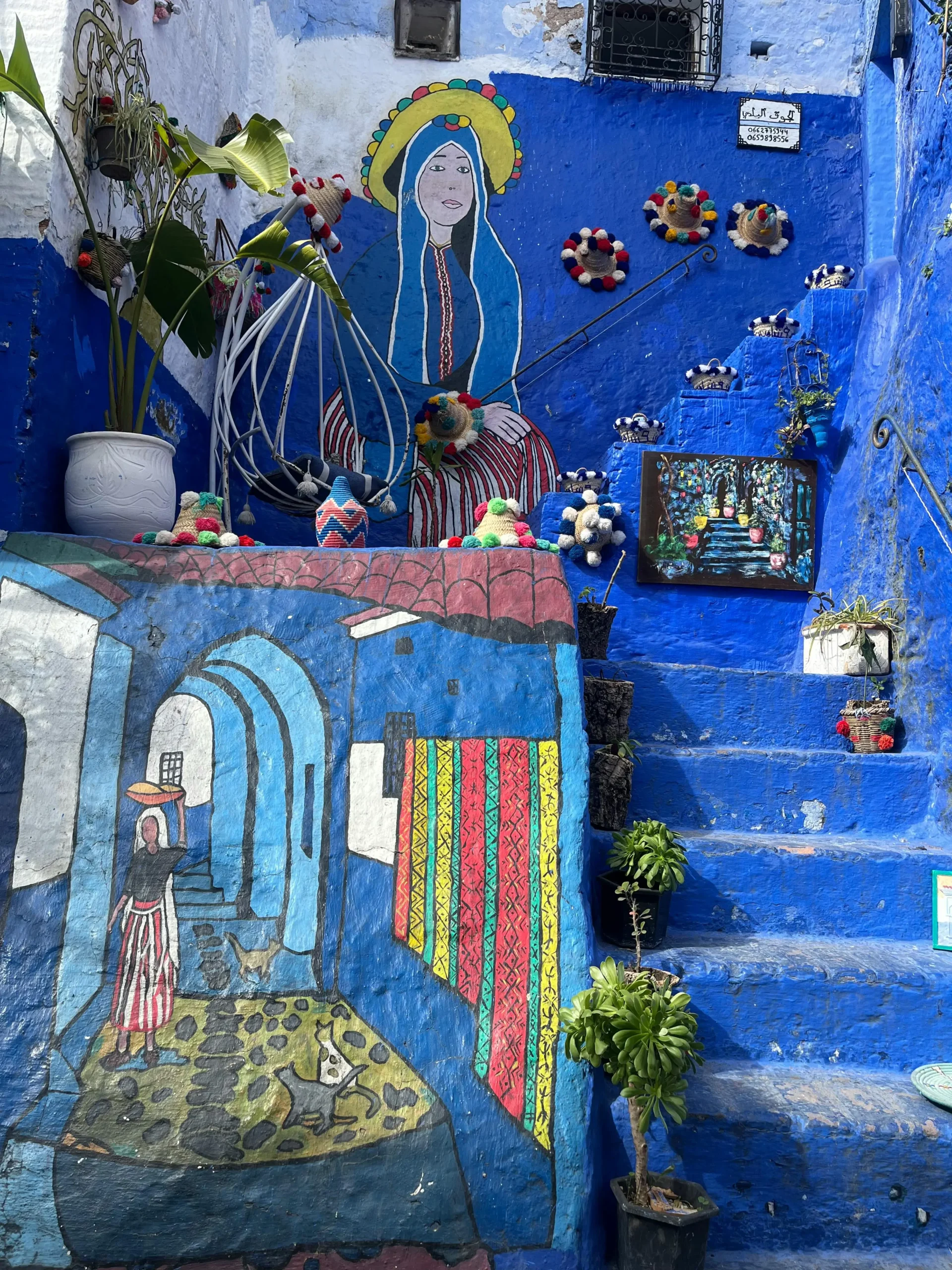
Forty-eight hours ago, you were in Marrakech, sweating through the medina, haggling over leather slippers in the souk while a motorbike clipped past your elbow. That's what a Morocco desert tour from Marrakech does to you. It compresses a continent's worth of landscape into three days — snow-capped mountains, ancient mud-brick kasbahs, palm oases, river canyons, and finally, the Sahara itself.
This is the route. This is what actually happens. And this is what you need to know before you go.
How Long Is the Drive from Marrakech to the Sahara?
The Sahara is roughly 350 miles southeast of Marrakech — about a 9 to 10-hour drive through some of the most dramatic terrain on earth. You won't do it in one shot. The route is the experience. Three days is the sweet spot. One night in the Atlas foothills, one night in the dunes.
| Day | Route | Highlight |
|---|---|---|
| Day 1 | Marrakech → Ait Ben Haddou → Dades Gorge | Atlas crossing, UNESCO kasbah |
| Day 2 | Dades Gorge → Todra Gorge → Merzouga | Canyon hike, first dune sighting |
| Day 3 | Erg Chebbi → desert camp → sunrise | Camel trek, Berber dinner, Sahara sunrise |
Every mile between those stops earns its place. The road doesn't just connect the landmarks — it is the landmark. By the time the dunes appear at Merzouga, you'll understand exactly how far you've traveled.
Day 1 — Crossing the Atlas Mountains
Your driver is at the riad before the city wakes up. You want to clear Marrakech while the streets are still cool and empty. By the time the sun clears the rooftops, you're already south, moving into open country.
Over the Tizi n'Tichka Pass
The Tizi n'Tichka Pass sits at 7,415 feet. The road switchbacks up through Berber villages built from the same red clay as the mountain itself. The air gets thin and sharp and smells like nothing you've ever smelled before.
Pull over at the summit. Take ten minutes. Look back at Marrakech and forward at the desert route ahead. This is one of those moments that doesn't photograph well and stays with you anyway.
Ait Ben Haddou
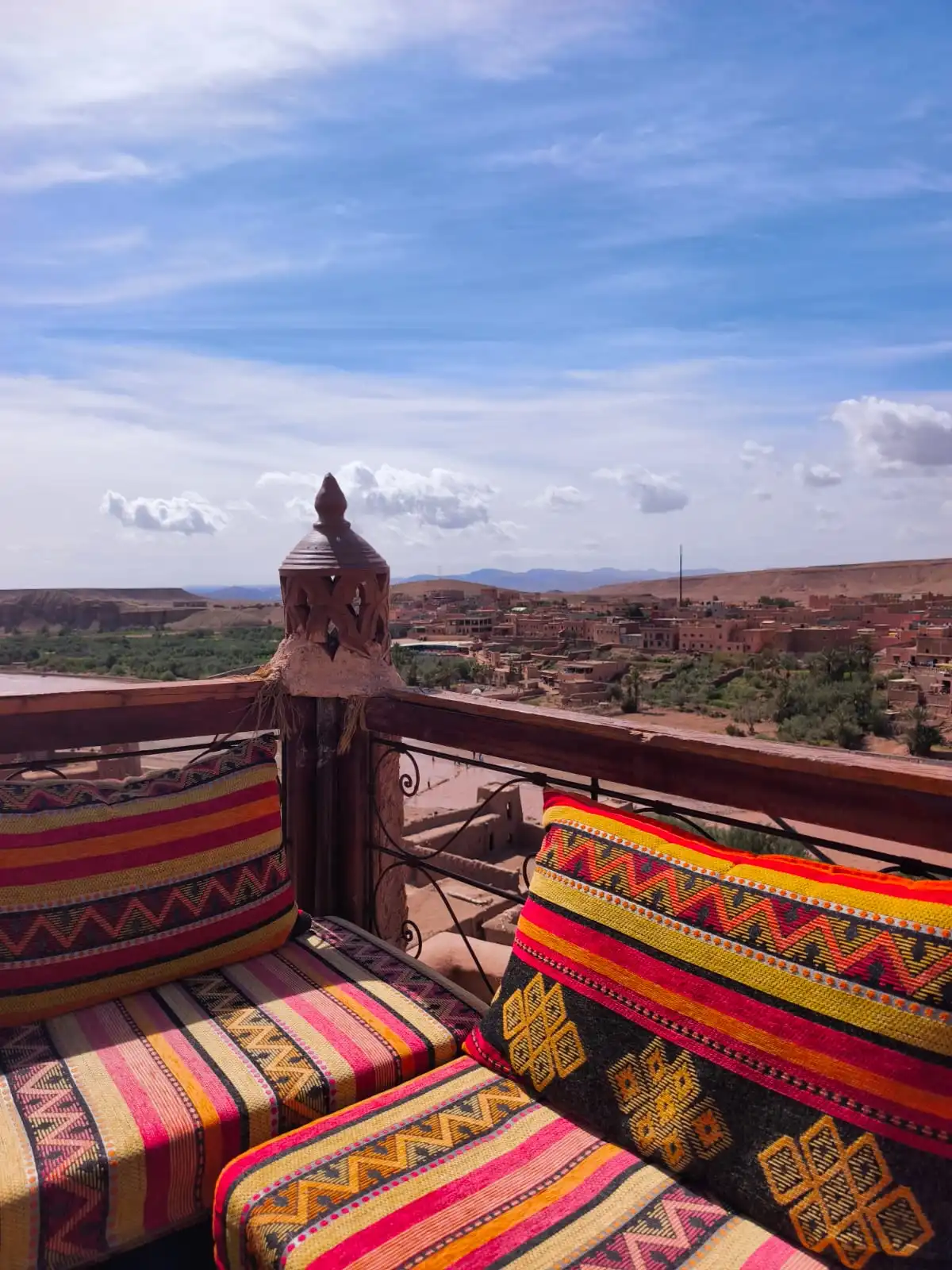
A 1,000-year-old fortified village rising from the banks of a dry riverbed. UNESCO World Heritage Site. Also where Ridley Scott filmed Yunkai in Game of Thrones and Russell Crowe entered the arena in Gladiator. Cross the river on stepping stones. Give yourself 90 minutes here, not 30. The families who still live inside will offer you mint tea. Say yes.
"Give yourself 90 minutes at Ait Ben Haddou, not 30. The families who still live inside will offer you mint tea. Say yes."
Into the Draa Valley
After Ait Ben Haddou, the landscape opens into something softer. The Draa Valley runs south through a corridor of date palms so dense and green they feel impossible given the desert on either side. By early evening you reach Dades Gorge. Dinner is a slow tagine on a terrace with the gorge dropping away below you. You sleep better than you have in months.
Day 2 — Todra Gorge and the Road to Merzouga
You wake up to the sound of the river. Breakfast is bread, argan oil and honey on the same terrace where you had dinner. The canyon walls above you are the color of dried blood. It's 7am and already the most beautiful morning you've had in years.
Todra Gorge
An hour east of Dades, Todra Gorge is a slot canyon — 300 feet of vertical limestone on either side. A cold river runs through the bottom, ankle-deep and clear. Buy bread from the women selling it near the entrance. Eat it there, in the canyon, with nothing to do for a few minutes but exist.
The Road Turns to Desert
After Todra, the green disappears. The towns get smaller. The road straightens across hammada — flat, dark, ancient volcanic rock stretching to the horizon. The sky gets bigger. The silence starts to feel intentional, like the land is preparing you for something.
First View of Erg Chebbi
You come around a low ridge and suddenly the dunes are there — rising from flat desert floor like something that shouldn't exist. 500 feet at their highest, bone-orange in the late afternoon sun, crests sharp as a knife edge against the sky.
"The car stops. Nobody says anything. After 350 miles and two days of mountains and canyons, the Sahara doesn't ease you in. It just arrives."
Day 3 — Erg Chebbi Dunes, Camel Ride and a Night in the Sahara
The camels are waiting at the edge of the sand. Your guide wraps a turban around your head — blue cotton, loose enough to breathe through, tight enough to keep the sand out. Within ten minutes, the camp, the road and the last trace of the modern world have disappeared behind a wall of sand.
Sunset Over the Sahara
The light goes golden, then amber, then a deep arterial red. The dunes look like they're breathing. Your guide stops at a high ridge and you sit there in silence, watching the sun compress against the horizon. This is the moment that ends up in the center of every trip report for the next three years.
Take the photo. Then put the phone away. The sunset over Erg Chebbi is one of the few things on earth that is better than it looks in photographs.
The Desert Camp
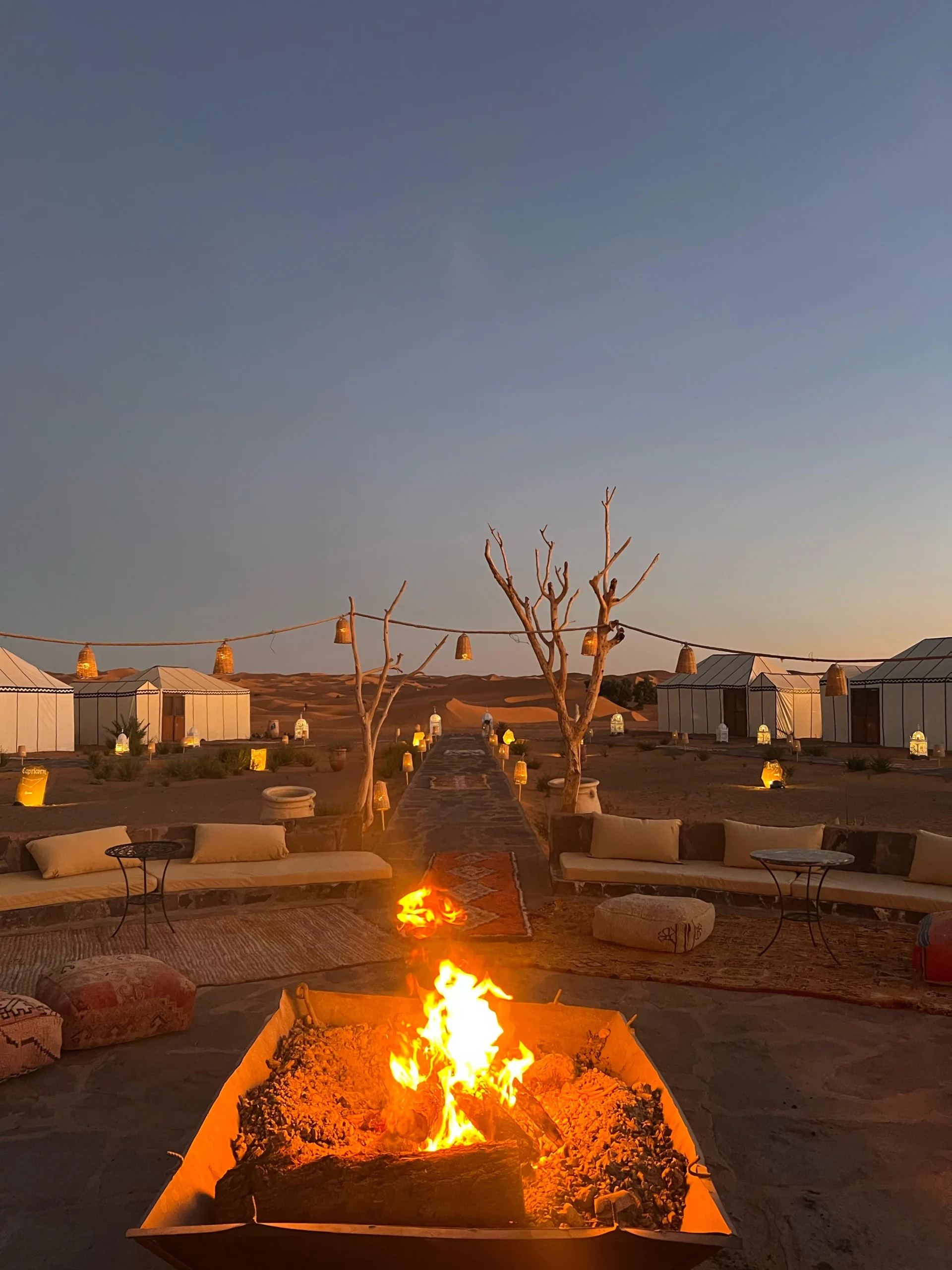
The camp appears in a hollow between two dunes — Berber tents lit from inside by warm lantern light, a fire already built at the center. On a private tour: real bed with linen sheets, private ensuite bathroom, hot water that actually works. Dinner is tagine eaten outside by the fire, served with mint tea so sweet it makes your back teeth ache. After the plates are cleared, your guide brings out a drum. The music is old — Gnawa rhythms played around desert fires for centuries.
Stargazing
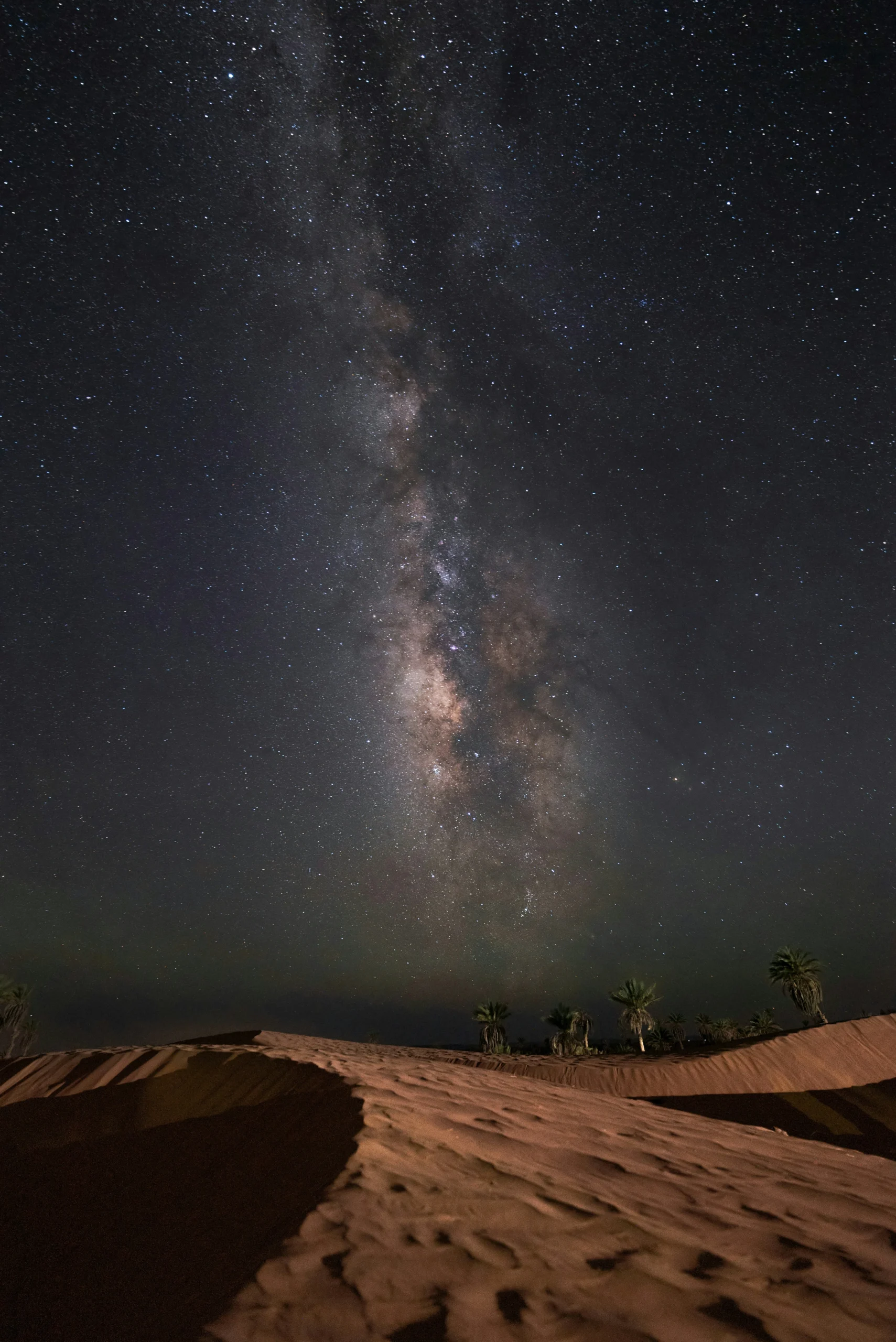
There is no light pollution within fifty miles of Erg Chebbi. The Milky Way is not a smudge or a suggestion — it's a structure. A river of light so dense it looks three-dimensional. You will stay up too late. You will not regret it.
The Sahara Sunrise
Your guide wakes you at 5am with tea. You climb the tallest dune barefoot, legs burning, sand cold between your toes. At the summit you sit and wait. The sky lightens from black to purple to a thin gold line along the eastern ridge. Then the sun clears the horizon and the whole desert ignites. You've earned it.
Private tent with proper bed and real bedding · Ensuite bathroom with hot shower · Traditional dinner and breakfast · Wake-up call timed for sunrise. If your operator can't tell you exactly what the camp includes before you book, ask again. See how we build private camps →
Private vs Group Desert Tour — Which Is Right for You?
Group Tours
Fixed schedule, fixed route, 6 to 16 strangers in the same vehicle. Cheaper — and if you're a solo traveler wanting to meet people on the road, they work. The stops are predetermined, the pace is set by the slowest member, and the camp is shared. For the right traveler, that's fine. For the wrong one, it's the thing you spend the whole trip wishing was different.
Private Tours
One vehicle, your group only, a guide whose only job for three days is making your trip exactly what you came for. Want to spend an extra hour at Ait Ben Haddou because the light is perfect? Done. Want to push to Merzouga before dark? No problem. The cost difference is smaller than most people expect — especially split across two, three or four travelers.
| Group Tour | Private Tour | |
|---|---|---|
| Vehicle | Shared minivan (6–16) | Dedicated 4x4 |
| Route | Fixed | Flexible |
| Pace | Group pace | Your pace |
| Camp | Shared tents | Private ensuite |
| Guide | Shared | Dedicated |
| Best for | Solo, budget | Couples, families, milestones |
If you're celebrating a honeymoon, anniversary or birthday — a group tour introduces too many variables you can't control. A private Morocco desert tour removes all of that. What's left is the trip you planned, with the people you chose, in one of the most extraordinary landscapes on earth.
Morocco Desert Tour from Marrakech — What Americans Need to Know
No visa required for stays under 90 days. Direct flights from New York and Washington into Marrakech. A country that has been welcoming American travelers for decades. A few things worth knowing before you land.
Best Time to Go
March through May and September through November are the sweet spots — warm days, cool nights, light that feels almost unfair. Summer pushes above 110°F in Merzouga. December through February brings cold nights but the cleanest skies and thinnest crowds.
What to Pack
Signal disappears around the hammada and doesn't return until Merzouga. Tell people you'll be out of reach for 24 hours. Then enjoy it.
A Note on Guides
Your guide is the difference between a good trip and an exceptional one. You'll spend three days in close quarters with this person. Ask your operator who specifically will be leading your trip, their name and how long they've been running this route. A great operator will introduce you by email before you leave home. We do both.